International travel has become a significant part of business and personal activities, with individuals and organizations frequently traveling across borders for various purposes. Whether it’s a business trip, a vacation, or attending an international conference, having a clear international travel policy is essential for managing these trips efficiently. This article provides a comprehensive understanding of what an international travel policy is, its key components, benefits, and how to create or update such a policy.
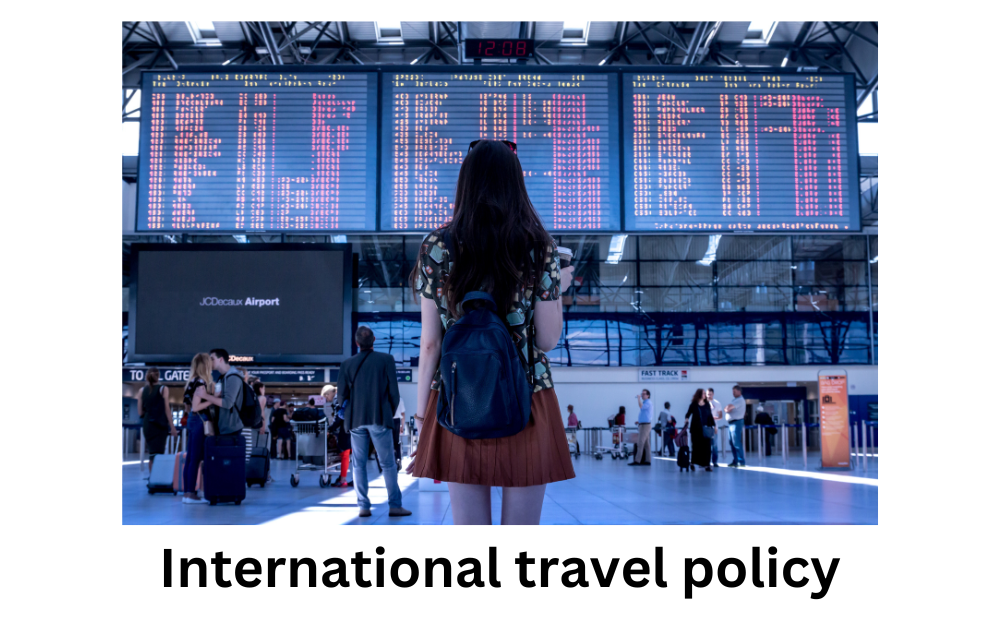
What is an International Travel Policy?
An international travel policy refers to a set of rules and guidelines that organizations or individuals follow when traveling abroad. These policies define travel booking procedures, expense limits, health and safety measures, visa requirements, and the general logistics involved in international trips. The aim of these policies is to ensure that all travel complies with organizational standards, safety protocols, and budget constraints while making international travel as smooth as possible.
For businesses, it also involves ensuring compliance with legal and regulatory standards in different countries, as well as providing employees with the necessary resources and support during their trips. For individuals, it typically includes information on travel insurance, visa processes, and other travel-related guidance.
Why is an International Travel Policy Important?
An international travel policy serves several critical functions, benefiting both businesses and individual travelers:
- Ensures Safety: With global travel comes potential risks. A well-structured policy ensures that employees and individuals have the resources they need to travel safely, including emergency contacts, health insurance, and travel alerts.
- Promotes Compliance: A robust travel policy ensures adherence to immigration laws, visa regulations, and country-specific rules.
- Cost Management: An international travel policy helps manage travel-related expenses by providing guidelines on booking procedures and budget limits, ultimately reducing overspending.
- Efficient Travel Management: Streamlining the travel process from bookings to reimbursements ensures that employees can focus on their trip objectives rather than navigating complex logistics.
Key Elements of an International Travel Policy
Every international travel policy may differ based on the organization’s goals, the nature of travel, and the countries involved. However, most policies include the following core components:
1. Pre-Trip Approval Process
- Trip Authorization: Employees must often seek approval for international trips, ensuring that the travel aligns with business needs and objectives.
- Managerial Oversight: In many organizations, managers or supervisors must approve the travel request before arrangements are made.
2. Travel Booking and Arrangements
- Preferred Vendors and Providers: Many organizations have negotiated contracts with specific airlines, hotels, and travel agencies to ensure preferred rates and services.
- Class of Travel: Depending on the purpose of the trip, the travel policy may define the class of service for flights or hotels (e.g., economy class or business class).
3. Expense Guidelines and Reimbursements
- Per Diem Allowances: The policy often specifies daily allowances for meals and incidental expenses, which vary by country.
- Reimbursement Process: Employees are generally required to submit receipts for travel expenses, such as lodging, meals, and transportation, for reimbursement.
4. Health and Safety Protocols
- Health Precautions: Many policies require employees to receive specific vaccinations or travel health insurance.
- Emergency Procedures: Information on emergency contacts and procedures is crucial for ensuring safety in case of medical emergencies, accidents, or natural disasters.
5. Visa and Immigration Requirements
- Visa Assistance: For international trips, organizations may provide support for obtaining visas, including covering fees or assisting with paperwork.
- Compliance with Immigration Laws: Travelers are expected to comply with all immigration procedures and requirements at their destination.
6. Travel Insurance
- Comprehensive Coverage: Travel insurance often covers trip cancellations, health issues, lost luggage, and emergency evacuation, providing peace of mind to travelers.
7. Post-Trip Reporting
- Expense Reporting: After completing the trip, employees may be required to submit a detailed report of expenses for reimbursement and auditing purposes.
- Evaluation: Post-trip evaluations allow businesses to assess the success and cost-effectiveness of the trip.
Benefits of an International Travel Policy
Implementing a structured international travel policy offers numerous benefits:
1. Cost Control
An international travel policy helps businesses control spending on travel by setting budget limits for flights, accommodations, and meals. This ensures that business trips stay within the allocated budget and avoids unnecessary expenses.
2. Risk Management
Traveling internationally carries inherent risks, such as political unrest, health concerns, and logistical issues. A comprehensive travel policy minimizes these risks by providing clear safety protocols and emergency procedures, ensuring travelers’ well-being.
3. Streamlined Travel Planning
With predefined travel guidelines and an easy-to-follow approval process, employees can plan their trips with minimal effort. Travel arrangements are easier to make, and all parties involved understand their responsibilities.
4. Increased Corporate Responsibility
Organizations that enforce a strict travel policy demonstrate responsibility by ensuring that employees travel within legal and ethical boundaries, comply with local laws, and prioritize safety.
Common Challenges in Managing an International Travel Policy
While international travel policies offer many advantages, there are challenges in their development and implementation:
- Changing Global Regulations: Travel regulations, including visa requirements and health guidelines, can change frequently, requiring constant updates to the policy.
- Cultural Sensitivity: Travelers must be aware of local customs and cultural norms to avoid misunderstandings. A travel policy should include tips on adapting to different cultural environments.
- Handling Unexpected Disruptions: Events like political instability, weather conditions, or flight cancellations can disrupt travel plans. A well-rounded policy should include contingency plans to manage these disruptions effectively.
How to Develop or Revise an International Travel Policy
Creating or updating an international travel policy requires thoughtful planning and coordination:
- Identify Needs and Objectives: Understand the needs of your organization or the type of international travel you expect employees to undertake. This can range from business meetings to conferences or educational travel.
- Consult Key Stakeholders: Work with finance, legal, and HR departments to ensure the policy aligns with company goals and complies with regulations.
- Define Specific Guidelines: Be clear about what’s allowed regarding expenses, booking procedures, and health safety.
- Communication and Training: Ensure all employees are familiar with the policy and know how to follow it effectively.
- Continuous Monitoring and Updates: Travel regulations change, so it’s crucial to regularly review and revise the policy to remain compliant and effective.
Conclusion
An international travel policy plays a vital role in managing the complexities of global travel. By setting clear guidelines and providing the necessary resources, organizations can ensure that their international travelers are safe, compliant with regulations, and efficient in their travel arrangements. Whether for business or personal reasons, understanding the essential elements of an international travel policy can greatly enhance the travel experience and help avoid common pitfalls.
For more information on global travel regulations and updates, visit trusted sources such as the International Air Transport Association (IATA) and the Centers for Disease Control and Prevention (CDC).