When preparing for a trip abroad, one of the most important things to consider is your health and safety while traveling. Travel health insurance can provide peace of mind by ensuring you’re covered in case of illness, injury, or emergencies during your trip. This guide will walk you through everything you need to know about health insurance for travel, helping you make informed decisions and stay protected while on the move.
What Is Travel Health Insurance?
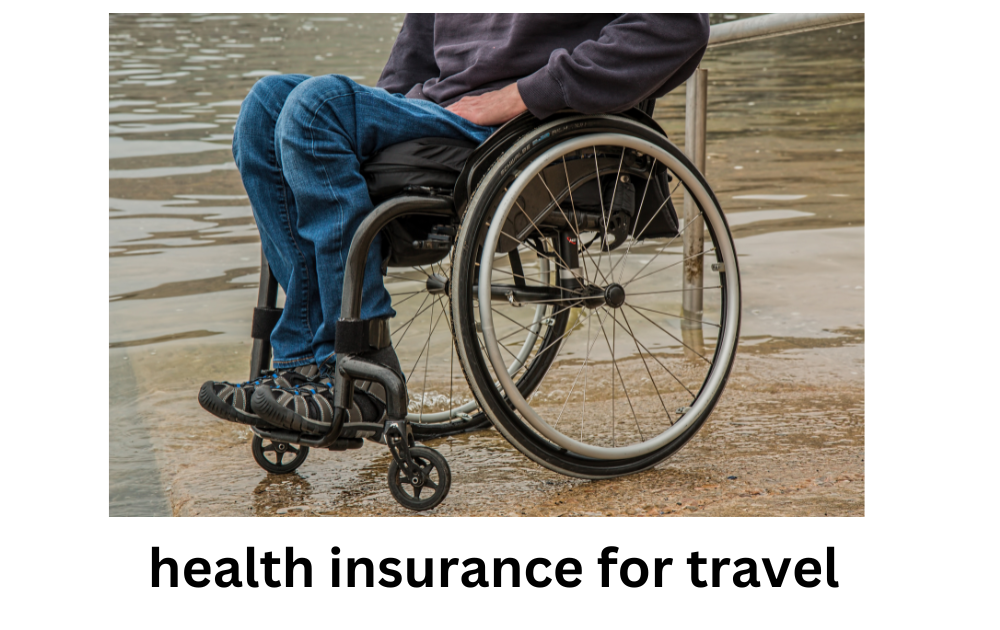
Travel health insurance is a policy designed to cover medical expenses while you are traveling outside your home country. It provides essential protection in case of accidents, illnesses, or medical emergencies during your trip, ensuring that you don’t face unexpected financial burdens while abroad.
Unlike standard health insurance, which may only cover you within your home country, travel health insurance extends coverage internationally. Whether you are traveling for business, leisure, or adventure, it’s an essential investment to safeguard your well-being.
Why Is Travel Health Insurance Important?
Travel health insurance is crucial because healthcare costs abroad can be much higher than at home, especially in countries with advanced medical systems. Without proper coverage, you could be left to pay hefty bills for emergency services, surgeries, or hospitalization.
Some of the most significant risks associated with not having travel health insurance include:
- High Medical Costs: Medical treatment abroad can be prohibitively expensive, particularly in places like the United States or Europe.
- Emergency Evacuation Needs: If you’re in a remote location or need urgent medical attention, evacuation costs can skyrocket without insurance.
- Trip Disruption: If illness or injury forces you to cancel or cut short your trip, you may lose money on prepaid flights or accommodations.
What Does Travel Health Insurance Cover?
While coverage can vary between different insurance providers, most travel health insurance plans include the following:
1. Emergency Medical Expenses
This coverage includes the cost of treatment, hospitalization, surgeries, and emergency medical transportation in case you become ill or injured while traveling. It’s the most important aspect of travel health insurance, protecting you from expensive healthcare costs abroad.
2. Emergency Medical Evacuation
In case you’re in a location without adequate medical facilities, this coverage helps cover the cost of transportation to a better-equipped facility or even back to your home country for treatment.
3. Repatriation of Remains
If the unfortunate happens and you pass away while traveling, repatriation coverage ensures that your remains are transported back to your home country. This can alleviate financial and emotional stress on your loved ones.
4. Trip Interruption or Cancellation
If an illness or injury forces you to cancel your trip or cut it short, this coverage helps reimburse the costs of non-refundable travel expenses, such as flights or hotel bookings.
5. Lost or Stolen Baggage
While more commonly associated with regular travel insurance, some travel health policies may also cover the loss, theft, or delay of baggage during your trip.
How to Choose the Right Travel Health Insurance Plan
When choosing the best travel health insurance, there are several factors to consider to ensure you’re adequately covered:
1. Consider Your Destination
The cost and quality of healthcare vary widely across different countries. For example, medical services in countries like the United States and Japan can be very expensive, while in other countries, you may need to worry more about access to adequate care. Choose a plan that matches the specific needs of your destination.
2. Evaluate Your Current Health Coverage
If you already have domestic health insurance, check whether it covers you while abroad. Some health plans offer limited international coverage, but it’s often insufficient for serious medical emergencies. In that case, supplemental travel health insurance is necessary.
3. Check the Plan’s Coverage
Look for a plan that covers a range of scenarios, from emergency medical treatment to trip cancellations. Depending on the activities you’re doing (e.g., skiing, scuba diving), you may need additional coverage for high-risk activities.
4. Understand the Exclusions
Make sure to read the fine print and understand any exclusions. For example, many policies do not cover pre-existing conditions or certain risky activities. If you have any ongoing medical conditions or plan on doing adventurous activities, make sure your insurance plan covers those areas.
5. Compare Costs
Travel health insurance comes in many price ranges depending on the level of coverage, the duration of your trip, and your age. While it might be tempting to choose the least expensive option, balancing cost with coverage is key. Sometimes, a slightly higher premium can provide better value and more comprehensive protection.
6. Check the Insurance Provider’s Reputation
When it comes to travel health insurance, you want a provider known for good customer service and reliability. Look for reviews and testimonials from previous customers to ensure that the company is responsive and trustworthy in case you need to file a claim.
How Much Does Travel Health Insurance Cost?
The cost of travel health insurance depends on several factors, such as the length of your trip, your age, the country you’re visiting, and the coverage options you select. On average, travel health insurance can cost anywhere from $40 to $100 per week.
However, some factors that influence cost include:
- Age: Older travelers may face higher premiums due to increased health risks.
- Destination: Some countries, such as the US, have high healthcare costs, making insurance more expensive.
- Trip Duration: The longer your trip, the higher your insurance cost will typically be.
- Coverage Level: Basic plans with emergency medical coverage are cheaper than more comprehensive ones that include evacuation, cancellation, and other benefits.
Tips for Saving on Travel Health Insurance:
- Buy Early: You can often secure a better rate by purchasing your insurance early before your trip.
- Group Insurance: If you’re traveling with family or a group, some providers offer discounts for group coverage.
- Higher Deductibles: Consider plans with higher deductibles to lower your premium, as long as you can afford the deductible if an emergency arises.
Frequently Asked Questions About Travel Health Insurance
1. Do I need travel health insurance if I already have domestic insurance?
Most domestic health insurance policies do not cover you abroad, so it’s important to have separate travel health insurance when traveling internationally.
2. What happens if I need to cancel my trip due to illness?
Travel health insurance can often cover the costs of trip cancellation if you are unable to travel due to illness or injury, but make sure to review your plan’s specific terms.
3. Does travel health insurance cover pre-existing conditions?
Some travel health insurance plans offer coverage for pre-existing conditions, but this is often an add-on option. Be sure to disclose any medical conditions to ensure you’re fully covered.
Conclusion: Protect Yourself with Travel Health Insurance
Travel health insurance is a necessary safeguard when traveling abroad. It ensures you have access to the medical care you need in case of an emergency and helps cover costly medical expenses, evacuations, and more. By taking the time to research and choose the right policy, you can travel with confidence knowing you’re protected.
Remember to review your travel plans, compare insurance options, and select a plan that fits your needs and destination. With the right travel health insurance, you can focus on enjoying your trip without the worry of unexpected medical expenses.